Why Are U.S. Border Agents in Charlotte, and Do They Have Authority to Operate There?

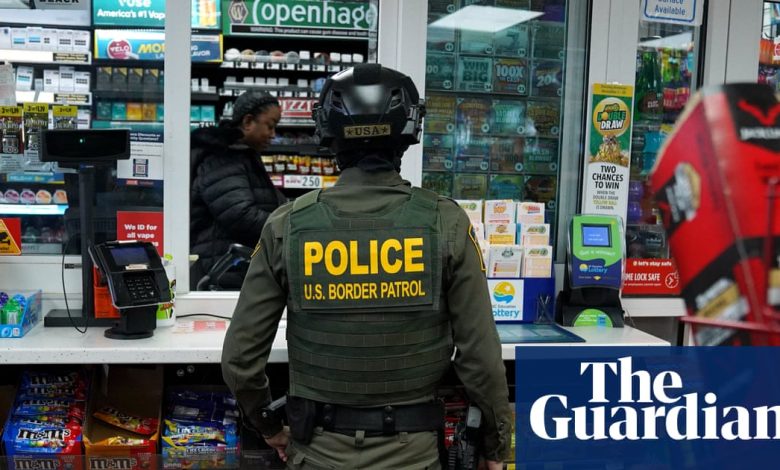
Immigration Raids Shake Charlotte: A Closer Look at Border Patrol Operations
North Carolina’s largest city is experiencing turmoil following a series of immigration raids that have seen over 100 arrests, sparking alarm and widespread protests.
What’s Happening in Charlotte?
U.S. Customs and Border Protection has branded this initiative as Operation Charlotte’s Web, with border agents making their presence known near churches, apartment complexes, and local stores. Greg Bovino, a hardline Border Patrol chief known for his commanding role in similar efforts in cities like Chicago and Los Angeles, has emerged as a central figure in these operations.
Over the weekend, Bovino shared his actions on social media, stating, “From border towns to the Queen City, our agents go where the mission calls.” North Carolina Governor Josh Stein criticized the operation, calling it “stoking fear” among communities.
Why Are More Border Agents Present in U.S. Cities?
The Customs and Border Protection agency, which includes the Border Patrol, comprises about 60,000 agents, making it the largest law enforcement body in the country. While agents have always had the authority to patrol further inland, their visibility in cities has increased significantly during the Trump administration, aligning with a broader mass deportation strategy.
According to a 1946 statute, Border Patrol agents can conduct warrantless searches within a “reasonable distance” of any international boundaries—up to 100 miles. This expansive jurisdiction encompasses major U.S. cities like Los Angeles, New York, and Washington, D.C., reaching areas like Chicago due to maritime boundaries along the Great Lakes. Notably, nearly two-thirds of the U.S. population resides within this zone.
Can Border Patrol Operate in Cities Like Charlotte?
The short answer is yes. Deborah Anthony, a professor of legal studies at the University of Illinois Springfield, explains that Border Patrol operates with expanded authority within 100 miles of an international border or U.S. coastline. This allows agents to set up immigration checkpoints that require motorists to stop even without reasonable suspicion, and to board buses for immigration inquiries.
Outside this 100-mile perimeter, however, agents must adhere to the same constitutional constraints as other law enforcement entities. They cannot stop vehicles or pedestrians indiscriminately or set up checkpoints without reasonable suspicion. Thus, if agents in Charlotte conduct stops or detain individuals without cause, it may constitute a constitutional violation, underscoring the importance of community scrutiny regarding their operations.
Who Is Greg Bovino?
Once an unheralded regional agent in Southern California, Greg Bovino, 55, has become a prominent face of the Trump administration’s immigration enforcement efforts in cities like Los Angeles and Chicago, and now Charlotte. With 29 years in Border Patrol, including leading the El Centro sector, Bovino frequently shares updates of his operations on social media, drawing both support and criticism.
His methods have sparked controversy, including allegations of misleading statements about immigration raids and the use of excessive force in prior operations. Following recent incidents resulting in fatalities of undocumented individuals during enforcement actions, a federal judge mandated Bovino to provide regular court updates on his operations, aiming for greater oversight of immigration policies.
What Does Border Patrol Say About Its Operations?
In response to inquiries regarding Border Patrol’s activities in Charlotte, DHS Assistant Secretary Tricia McLaughlin stated, “While the U.S. Border Patrol primarily operates within 100 air miles of the border, the legal framework allows them to operate anywhere in the United States.” She emphasized that this capability is crucial for enforcing immigration laws and addressing national security threats, stressing that enforcement is not limited to border regions.
However, legal experts and human rights advocates argue that agents trained at the borders may not be suited for civil immigration enforcement in urban settings. “The Border Patrol’s historical aggressiveness in enforcement raises significant concerns,” remarked César Cuauhtémoc García Hernández, a law professor at Ohio State University.