
Venezuela to Transfer $2 Billion in Oil to U.S., Trump Claims, Potentially Reducing Supply to China

Trump’s Claim of Venezuelan Oil Deal Raises Questions on U.S. Foreign Policy
Former President Donald Trump recently announced a potential negotiation involving Venezuela, asserting that the country would “turn over” $2 billion worth of crude oil to the United States. This proposed deal aims to redirect oil supplies from China and assist Venezuela in avoiding deeper production cuts.
Details of the Proposed Agreement
In a statement, Trump emphasized that the oil will be sold at market prices, with the revenue managed under his administration’s control. He insisted that the funds would benefit both Venezuelans and Americans. The Venezuelan government and PDVSA, the state-owned oil company, did not respond to inquiries regarding the claim.
Impact of Sanctions on Venezuelan Oil Exports
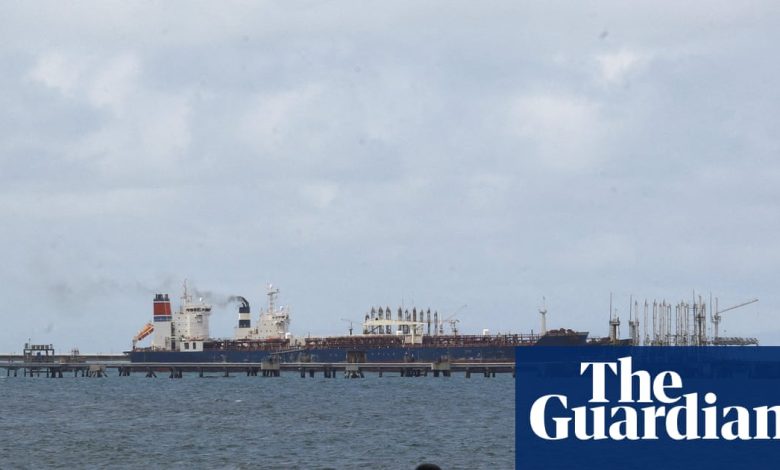
Venezuela has significant oil reserves that have become difficult to manage due to a blockade instituted by the U.S. government. This blockade is part of an ongoing strategy to pressure the Maduro regime, which has faced accusations of human rights violations and corruption. Recently, Trump claimed that the Venezuelan government must either open its oil sector to U.S. companies or face further military intervention.
Civic Engagement and Public Reaction
Trump’s announcement is positioned within the broader context of U.S. foreign policy and election reform discussions as public opinion remains divided on the effectiveness of such approaches. The proposed oil deal has prompted discussions regarding U.S. involvement in the region and the ethical implications of leveraging resources for diplomatic gains.
Potential Economic Ramifications
Following Trump’s declaration, U.S. crude prices fell over 1.5%, as the agreement could involve a significant increase in Venezuelan oil imports. Currently, Chevron, the primary U.S. partner in Venezuela, controls the limited exports allowed under U.S. sanctions, which have restricted PDVSA from accessing international financial markets.
Statements from Venezuelan Leadership
In a televised address, interim President Delcy Rodríguez categorized Trump’s rhetoric as a blatant assertion of U.S. dominance. She emphasized that Venezuela would not be governed by any external entity, reaffirming the country’s resolve to maintain sovereignty amidst foreign pressures.