Trump’s Justice Department Investigates Unfounded Claims of Venezuelan Assistance in the 2020 Election Theft

Investigation Unfolds Over Venezuelan Election Fraud Claims
Federal investigators are probing allegations that Venezuela played a role in stealing the 2020 election from Donald Trump, as sources report that multiple individuals promoting these unfounded claims have been interviewed by authorities.
Two primary figures behind the conspiracy theory have briefed W. Stephen Muldrow, the U.S. Attorney for the District of Puerto Rico, sharing witnesses and documents, according to multiple sources. Muldrow has declined to comment on the ongoing investigation.
In addition to discussions in Puerto Rico, these individuals have also been questioned by a federal task force in Tampa that focuses on Venezuelan drug trafficking and money laundering. Sources indicate that this task force is exploring the broader impact of Venezuela on political and governmental integrity in the U.S.
This inquiry highlights how the Trump administration’s actions may serve as a tool to reshape the narrative surrounding his 2020 electoral defeat—potentially also bolstering a case for military action against Venezuela.
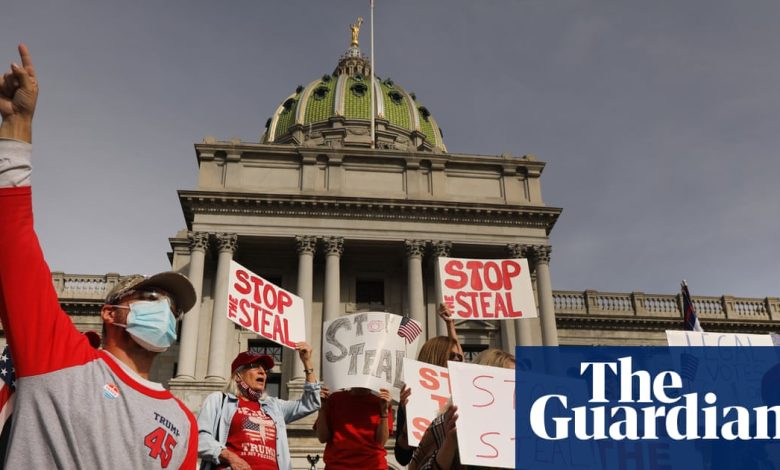
Among a range of conspiracy theories fueling the “Stop the Steal” movement—including claims of dead voters and forged ballots—the idea that Venezuela influenced the electronic voting process remains a central point. Proponents assert that both President Nicolás Maduro and the late Hugo Chavez secretly manipulated U.S. elections.
Despite being labeled bizarre, a Delaware judge ruled the claim false in 2023. News outlets such as Fox News have faced significant defamation settlements related to these allegations.
Connecting the Dots
The resurgence of these allegations intertwines Trump’s ongoing narrative of a “rigged election” with his pointed criticism of Venezuela’s socialist government. With a military buildup in the Caribbean and escalating tensions, these conspiracy theories may be leveraged to justify military interventions.
Follow the Money: Players Behind the Claims
A discredited conspiracy theory is receiving renewed attention from the U.S. Department of Justice, raising questions about how this could occur after nearly five years. The narrative centers around two figures: Gary Berntsen, a former CIA officer, and Martin Rodil, a Venezuelan expatriate. Their claims, which have made their way to investigators, feature allegations connecting Venezuela to election manipulations globally.
Berntsen, known for his hunt for Osama bin Laden, has described himself as a defender of U.S. democracy and the Constitution, asserting that the Justice Department is actively pursuing those responsible for electoral misconduct.
Rodil has positioned himself as a consultant to U.S. law enforcement regarding Venezuelan criminal activity, although he has faced personal scrutiny in the past. He denies any wrongdoing and claims his work focuses on supporting probes into Venezuelan crime.
Reports indicate that Berntsen and Rodil have been instrumental in providing documents and witness testimonies to Muldrow and the Tampa-based task force, indicating a collaborative effort to substantiate their claims.
Notably, Muldrow has maintained his position through changing administrations, indicating a loyal alignment with the Trump administration’s agenda. Sources suggest he has supplied critical information to the Panex task force, which is now targeting Venezuelan influence in electoral affairs.
Despite requests for comment, Muldrow has cited Department of Justice policies prohibiting further disclosure regarding the investigation.
The Role of Civic Engagement in Election Transparency
Both Berntsen and Rodil have expressed confidence that evidence will lead to future indictments. Berntsen contends that central claims against voting technology firms like Smartmatic and Dominion are connected to a broader agenda of electoral malpractice, which he believes necessitates immediate corrective actions.
As civic engagement in election integrity continues to grow, the ramifications of these investigations extend beyond the individuals involved, prompting a national conversation about democracy in America and the robustness of electoral frameworks.