Trump Threatens 25% Tariff on European Allies Until Denmark Sells Greenland to the U.S.

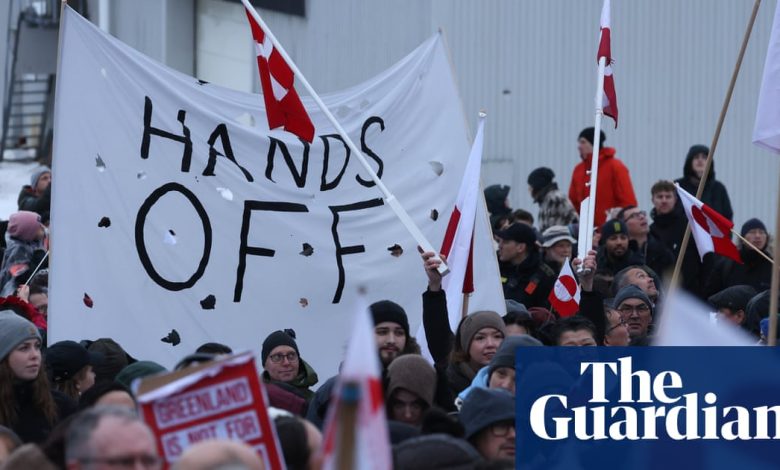
Trump’s Tariff Threats Escalate Tensions with European Allies Over Greenland Acquisition
Donald Trump has issued a dramatic escalation in his demand for the United States to acquire Greenland, threatening a 25% tariff on goods from several European nations, including Denmark, Germany, France, and the UK. This move raises serious questions about diplomatic relations and the stability of trade agreements.
Tariff Announcement and Response
In a recent post on Truth Social, Trump announced plans to impose a 10% tariff starting February 1 on goods imported from Denmark, Norway, Sweden, France, Germany, the United Kingdom, the Netherlands, and Finland, with the rate increasing to 25% on June 1. The president asserted that these tariffs would remain in place until a deal for the “Complete and Total purchase of Greenland” is finalized.
National Security and Allies’ Reactions
Trump’s interest in acquiring Greenland is rooted in claims that the territory poses a national security threat, a statement challenged by U.S. allies like Denmark. Officials in Denmark expressed their surprise at Trump’s comments, emphasizing that any military presence in Greenland aims to enhance security in the Arctic.
Lars Løkke Rasmussen, Denmark’s Foreign Minister, highlighted that increased military exercises in Greenland are intended to promote security, not to provoke conflict. Rasmus Jarlov, chair of Denmark’s defense committee, firmly stated that Denmark would never relinquish Greenland, urging their allies to stand united against Trump’s threats.
International Solidarity Against Tariffs
The tariff threat has sparked a strong united front among European leaders. Ursula von der Leyen, President of the EU Commission, reaffirmed the bloc’s commitment to transatlantic security in the Arctic, asserting that tariffs would undermine diplomatic relations and escalate tensions.
Leaders from various countries, including UK Prime Minister Keir Starmer and French President Emmanuel Macron, condemned Trump’s actions. Macron drew parallels between Trump’s threats and Vladimir Putin’s aggressive tactics, asserting that intimidation would not yield results in either Greenland or Ukraine.
Domestic Political Ramifications
Trump’s tariff threats have also garnered criticism from within his own Republican Party. Senator Thom Tillis of North Carolina labeled the threats detrimental to American interests and advantageous only to adversaries seeking to divide NATO. Even staunch Trump supporter Nigel Farage expressed concern that the tariffs would harm the UK.
This aggressive political strategy raises significant questions about its impact on international relations and the U.S. economy. Concerns over job losses and economic repercussions are burgeoning, as analysts warn that a broad imposition of tariffs could lead to negative consequences for American consumers and industries.
Public Opinion and Future Implications
A recent poll indicated that fewer than 20% of Americans support Trump’s attempts to acquire Greenland. Strong bipartisan opposition suggests that many do not favor military action or escalating trade tensions over the territory. As legal challenges regarding tariffs are considered by the U.S. Supreme Court, the future of Trump’s modified trade approach remains uncertain.