
Trump Proposes Republicans Should ‘Take Control’ of Elections to Safeguard the Party

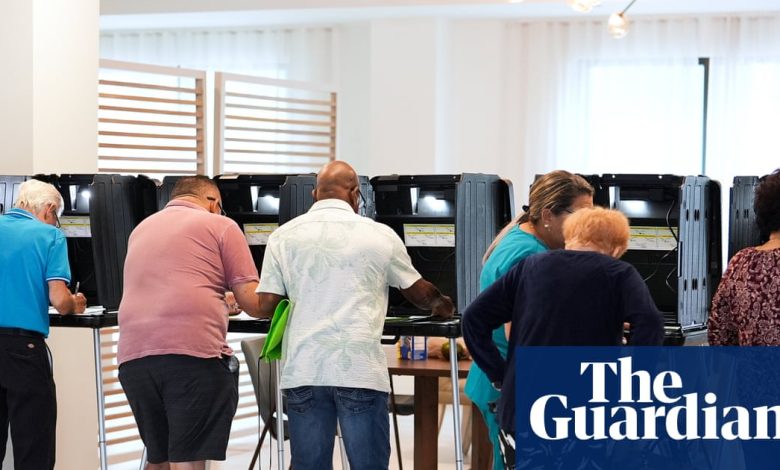
Trump Advocates for Nationalization of Elections Amid Fears of Election Integrity
In a recent podcast appearance, Donald Trump called on Republican officials to “take over” and “nationalize” elections in 15 states, arguing this strategy is essential to protect the party from adverse electoral outcomes.
Claims of Electoral Fraud and Immigration Voting
Trump posited that the push for such measures is primarily to prevent undocumented immigrants from voting. However, claims that noncitizens are voting in numbers that significantly influence elections have been widely debunked. These assertions raise concerns about efforts to manipulate the upcoming midterm elections in November.
While discussing his anticipated victory in the 2024 elections, Trump downplayed the population disparities between large urban counties and smaller rural areas. He warned Republicans, stating, “If we don’t get [immigrants] out, you will never win another election as a Republican.”
Trump’s Call for Action
Trump went on to assert that immigrants “were brought” to America specifically to vote illegally. He criticized fellow Republicans for not adopting a tougher stance, insisting that the party should nationalize voting in key areas, specifically in 15 states.
“We have states that are so crooked — and they’re counting votes — we have states that I won, that show I didn’t win,” he claimed, referring to ongoing controversies surrounding electoral integrity in states like Georgia.
Government Response
White House Press Secretary Karoline Leavitt addressed these comments during a press briefing. “The president believes in the United States Constitution. However, he believes there has obviously been a lot of fraud and irregularities that have taken place in American elections,” she stated. Leavitt emphasized the importance of voter ID laws, reinforcing the call for election reform as a common-sense policy.
Notably, Trump’s remarks came shortly after FBI agents executed a search warrant in Fulton County, seizing nearly 700 boxes of ballots and other election materials linked to previous allegations of fraud.
Political Reactions
Democratic Senator Mark Warner from Virginia responded sharply to Trump’s remarks, highlighting the potential implications for the future of U.S. democracy. “This threat to our election security is forward-looking, targeting 2026 and 2028,” he stated, raising alarms about the tactics that could disrupt free and fair elections moving forward.
It is important to note that the U.S. Constitution assigns each state the authority to manage its own elections. While Congress can pass laws to protect voters’ constitutional rights, the federal government does not directly oversee election administration.
Legislative Developments in Election Reform
Trump’s comments come at a time when Congress is reviewing several pieces of legislation aimed at significantly impacting U.S. elections. Republican Representative Anna Paulina Luna from Florida led an effort to attach the controversial Save America Act to a necessary spending bill. This act would mandate proof of citizenship during voter registration, substantially limit mail-in registration, and impose severe penalties on election officials for failing to verify citizenship.
While a previous version of the bill passed in the House, it has since stalled in the Senate, with Senator Chuck Schumer labeling it a “poison pill” amendment that would jeopardize vital government funding.
In addition, the Make Elections Great Again Act was introduced by Republican Bryan Steil from Wisconsin, which proposes to prohibit ranked-choice voting and universal vote-by-mail, further complicating the voter registration landscape.