Trump News Brief: President “Sick of Meetings” as Ukraine-Russia Peace Talks Continue to Drag On

Trump’s Approach to Ukraine and Domestic Politics
Recent developments in U.S. foreign affairs and domestic political strategy have highlighted President Donald Trump’s frustration with ongoing issues, from the Ukraine peace talks to controversial legislative efforts.
Trump’s Discontent with Ukraine Peace Talks
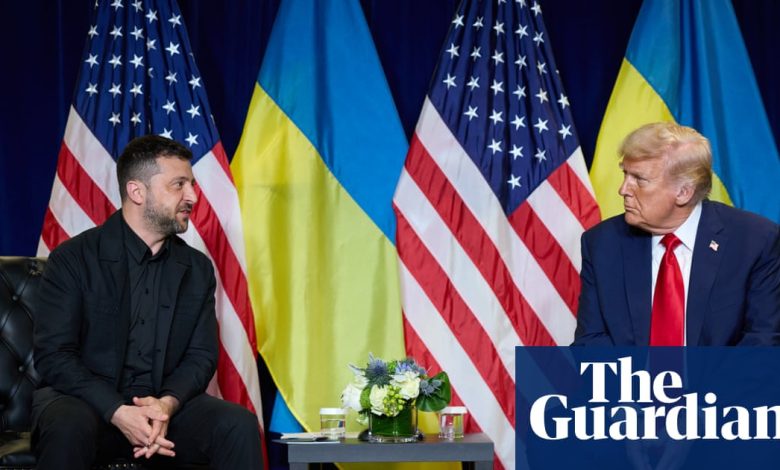
When discussing peace negotiations concerning Ukraine, White House Press Secretary Karoline Leavitt stated that President Trump is “sick of meetings just for the sake of meetings.”
She added that the administration may send a representative to meet with European and Ukrainian officials this weekend if it deems the meeting “worthy” of U.S. time, emphasizing Trump’s “extreme frustration with both sides of this war.”
Leavitt noted, “He wants this war to come to an end,” sharing that the administration had dedicated over 30 hours recently to discussions with Russian, Ukrainian, and European leaders.
Ukrainian President Volodymyr Zelenskyy faces mounting pressure from Trump to accept a proposed U.S. peace plan. Recently, Trump criticized Zelenskyy, claiming he “has not even read” the draft proposal, suggesting a lack of legitimacy in Ukraine’s leadership and urging for elections.
Zelenskyy did confirm that Ukraine’s negotiating team submitted a revised plan to Washington, with territorial control and the status of the Zaporizhzhia nuclear plant remaining contentious issues.
Zelenskyy Skeptical of U.S. Economic Zone Proposal
In discussions about establishing a “free economic zone” in the Donbas region, Zelenskyy expressed skepticism regarding U.S. requests for Ukraine to withdraw its troops. The administration previously suggested transferring parts of Donbas to Russian control, but Zelenskyy mentioned a new compromise idea where Ukrainian troops would withdraw without allowing Russian forces to advance.
Bipartisan Concerns Over Venezuela and Military Policy
In a related foreign affairs issue, senior Democratic lawmakers and at least one Republican condemned the U.S. seizure of a Venezuelan oil tanker. Concerns are rising in Washington regarding Trump’s increased military posture in the Caribbean, which some lawmakers believe could lead to conflict.
Trump accused Venezuela of facilitating drug trafficking, which has prompted discussions on military intervention in the region.
Political Dynamics in Indiana
In a significant domestic political strategy move, Indiana Republicans rejected a proposal to redraw the state’s congressional map, marking a remarkable rebuke of Trump’s efforts to enhance Republican representation. The measure failed with a vote of 19-31, as 21 Republicans joined Democrats in opposing the new map that would have favored Republicans across all nine districts.
Healthcare and Legislative Challenges
The U.S. Senate recently rejected competing healthcare proposals aimed at addressing the imminent expiration of Affordable Care Act subsidies. This outcome raises concerns over increasing healthcare costs for millions of Americans, spotlighting the urgent need for effective government policy in this area.
Protests and Civil Liberties
During a Capitol Hill hearing, protests erupted against Homeland Security Secretary Kristi Noem, with demonstrators invoking quotes from the film *The Exorcist*. This disruption highlights ongoing tensions surrounding issues of civil liberties and immigration policy, particularly in light of recent announcements regarding increased scrutiny of visa applicants’ social media, phone, and email histories.
Grand Jury Decisions and Press Freedom
In another notable development, a grand jury declined to indict a critic of Trump, a decision viewed as an embarrassment for the administration and its efforts to stifle dissent. Free speech advocates argue this reflects broader issues of civil liberties and governmental overreach.