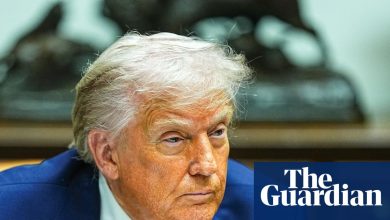
Trump Intensifies Threats Over Greenland, Vowing U.S. Intervention ‘Whether They Like It or Not’

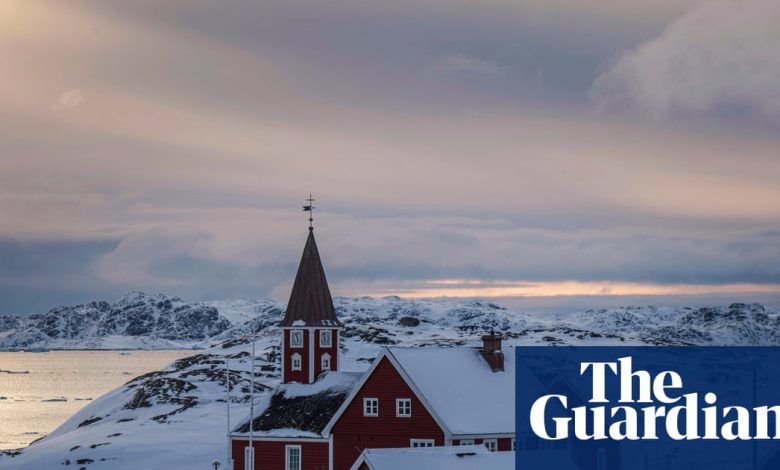
Trump Intensifies Greenland Acquisition Threats Amid Escalating Tensions
Donald Trump has reiterated his controversial stance on acquiring Greenland, asserting that the U.S. will take action “whether they like it or not.” This statement raises significant questions about government policy and electoral strategy as the political landscape shifts.
Justification and Context
During a meeting with oil and gas executives at the White House, President Trump justified his position by stating, “If we don’t do it, Russia or China will take over Greenland. And we’re not going to have Russia or China as a neighbor.” He emphasized that the U.S. would engage with Greenland “either the nice way or the more difficult way.”
Tensions with NATO Allies
These comments come amidst rising tensions between the U.S. and its NATO allies, particularly Denmark. Trump’s administration has faced firm opposition from both Denmark and Greenland in its attempts to assert control over the largely autonomous Arctic territory. Danish Prime Minister Mette Frederiksen recently warned that a U.S. action against Greenland could jeopardize NATO and post-World War II security.
Despite these admonishments, Trump has stated, “If it weren’t for me, you wouldn’t have a NATO right now,” reiterating his commitment to the alliance while simultaneously expressing his concerns over foreign influence in Greenland.
Historical Context of Trump’s Interest
Trump’s fascination with Greenland is not new; he first floated the idea of acquiring the territory in 2019 during his presidency, which was met with swift backlash from Danish and Greenlandic leaders. Recent geopolitical events, including U.S. military actions in Venezuela, have led Trump to reassert the necessity of Greenland for U.S. national security.
Public Opinion on Greenland Acquisition
Despite Trump’s claims, public opinion indicates overwhelming resistance to the idea of U.S. control over Greenland. A 2025 poll reveals that 85% of Greenland’s population opposes the annexation, while only 7% of Americans support a military invasion of the territory. This lack of public support highlights the challenges of engaging in foreign affairs that could impact democracy in America.
Wider Implications in Foreign Policy
On the same day, Trump also addressed threats regarding Iran, signaling a willingness to intervene if the Iranian regime violently suppresses ongoing protests. Characterizing Iran as being “in big trouble,” Trump warned of a robust response should violence against protesters escalate: “If they start killing people like they have in the past, we will get involved. We’ll be hitting them very hard where it hurts.”
He cautioned Iranian leaders, stating, “You’d better not start shooting, because we’ll start shooting too,” suggesting a significant shift in the U.S. approach to foreign intervention and engagement.