Trump Considers “Very Strong” Military Options Against Iran Amid Rising Protester Death Toll

Trump Weighs Military Action Amid Iranian Protests
In a significant development, President Donald Trump has indicated that Iran has expressed a willingness to negotiate as the U.S. considers “very strong” military options in response to the regime’s violent crackdown on protesters, which has reportedly resulted in hundreds of deaths.
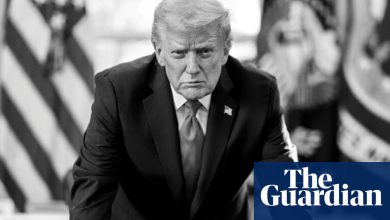
When asked by reporters aboard Air Force One about Iran crossing the red line he previously set regarding the treatment of protesters, Trump responded, “They’re starting to, it looks like.” He emphasized the seriousness with which the U.S. is evaluating the situation, noting, “The military is looking at it, and we’re looking at some very strong options. We’ll make a determination.”
The backdrop of these escalating tensions includes the U.S. involvement in Latin America, particularly the ousting of Nicolás Maduro in Venezuela. Trump suggested that Iran is eager to negotiate, saying, “I think they’re tired of being beaten up by the United States.”
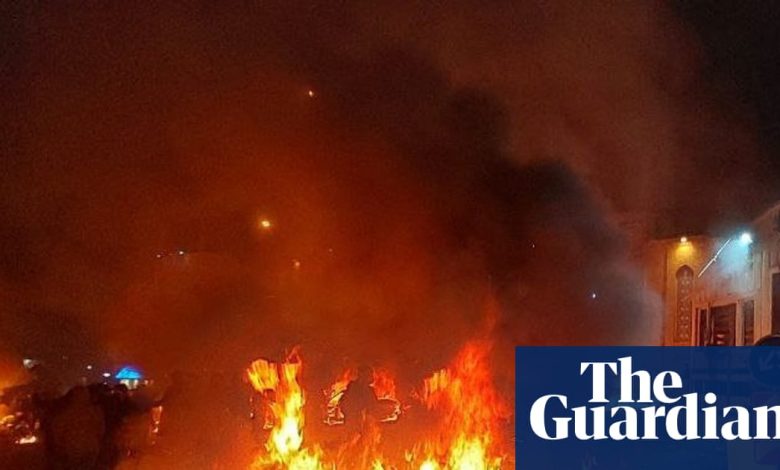
According to the Human Rights Activists News Agency, at least 538 individuals, including 490 protesters, have died in the violence surrounding the demonstrations, with more than 10,600 arrests reported. Casualty figures are difficult to verify due to restricted access and an internet blackout in Iran, and various rights groups acknowledge these numbers are likely undercounts.
The brutal suppression of protests has raised the specter of U.S. intervention, with Trump promising to “rescue” protesters in the event of further violence from the Iranian government. He reiterated on social media, “Iran is looking at FREEDOM, perhaps like never before. The USA stands ready to help!!!”
In reaction to U.S. threats, Iranian parliament speaker Mohammad Baqer Qalibaf warned against “a miscalculation” from Washington, claiming that U.S. and Israeli interests would be viewed as “legitimate targets” in the event of an attack.

Reports indicate that Trump is contemplating a variety of strategies, including military strikes, cyber operations, expanded sanctions, and assistance to anti-government activists.
Additionally, Reza Pahlavi, the U.S.-based son of Iran’s ousted shah, called on Iranian security forces and government employees to join the growing protest movement, stating, “You have a choice: stand with the people or choose complicity with murderers.”
Iran’s president, Masoud Pezeshkian, accused adversaries of inflaming unrest and invited citizens to participate in a “national resistance march” to denounce the violence.
This protest wave represents the most significant unrest in Iran in years, initially driven by economic factors but quickly evolving into demands for political reform and regime change.
As tensions mount, the Iranian government has made significant arrests and threatened harsh penalties for protesters. Authorities warn that anyone caught protesting could face charges as severe as being “an enemy of God.”
Further complicating the situation, Israeli officials remain on high alert for any U.S. intervention, opting for silence to avoid giving Iranian authorities grounds to label the protests as foreign influence.
Amidst these challenges, the Iranian regime maintains stringent internet controls, which human rights organizations allege are being used to intensify crackdowns on demonstrators. Reports from activists indicate that protests continue, with some regions reportedly under martial law and severe restrictions on civil liberties.