

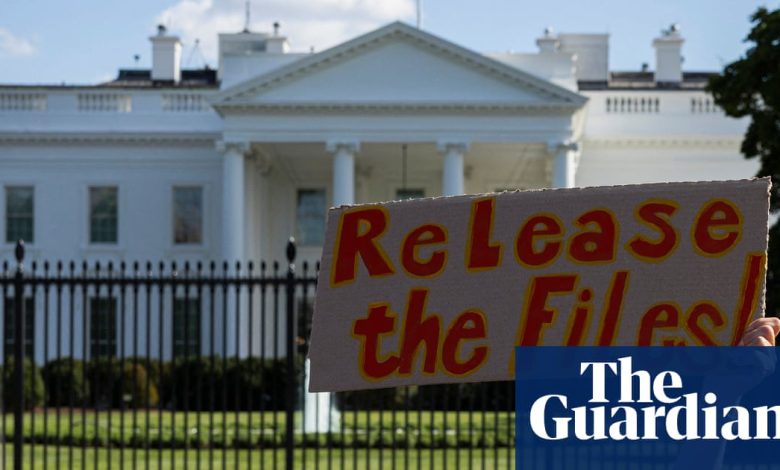
Trump Comments on Epstein Files Amid Political Scrutiny
Donald Trump has voiced concerns regarding the release of the Jeffrey Epstein files, suggesting that individuals who “innocently met” the convicted sex offender could face reputational harm.
Trump’s Expressed Sympathy for Prominent Figures
In his first remarks following the Justice Department’s release of materials related to Epstein, Trump expressed sympathy for notable Democrats, including former President Bill Clinton, who has come under renewed scrutiny due to their past associations with Epstein. “I like Bill Clinton,” Trump remarked, acknowledging his amicable relationship with the former president. “I’ve always gotten along with Bill Clinton; I’ve been nice to him, he’s been nice to me.” He lamented the emergence of photographs, stating, “I hate to see photos come out of him, but this is what the Democrats—mostly Democrats and a couple of bad Republicans—are asking for.”
Reputation at Stake
Trump, who has had a long history with Epstein and initially resisted the release of these files, commented at his Mar-a-Lago estate in Palm Beach, Florida. “Everybody was friendly with this guy,” he said, reiterating his disapproval of the release of photographs. “I don’t like the pictures of Bill Clinton being shown. I think it’s a terrible thing.”
He noted that other innocent individuals, highly regarded in their fields such as finance and law, could also face unjust reputational damage due to their past encounters with Epstein. “A lot of people are very angry that pictures are being released of others that really had nothing to do with Epstein,” Trump pointed out.
The Washington Response
In a notable example, Trump referenced Larry Summers, a Harvard professor and former Treasury Secretary, who announced in November his withdrawal from public life after emails with Epstein surfaced. Trump attempted to downplay the significance of the Epstein files, framing them as distractions from achievements within the Republican Party. “What this whole thing is with Epstein is a way of trying to deflect from the tremendous success that the Republican party has,” he added.
Transparency and Accountability
The Epstein Files Transparency Act, passed nearly unanimously by Congress and signed into law by Trump, mandated the full release of Epstein-related documents. However, only one batch has been made available, prompting outrage from survivors and lawmakers alike. This limited release has raised questions about the Justice Department’s intentions.
On Monday, Clinton’s spokesperson, Angel Urena, urged the Justice Department to release all materials—even photographs—related to Clinton. Urena articulated concerns about selective disclosures, stating, “Someone or something is being protected. We need no such protection.” His statement reflects a growing anxiety over the implications of these selective releases on public opinion and individual reputations.