
The Effectiveness of Protests: Insights from Historians and Political Scientists

The Impact of Protest Movements on U.S. Politics
Trump’s presidency has been characterized by substantial protests, from the Women’s March of 2017 to recent demonstrations advocating for racial justice. But how effective are these collective actions?
The Historical Role of Protests in Shaping America
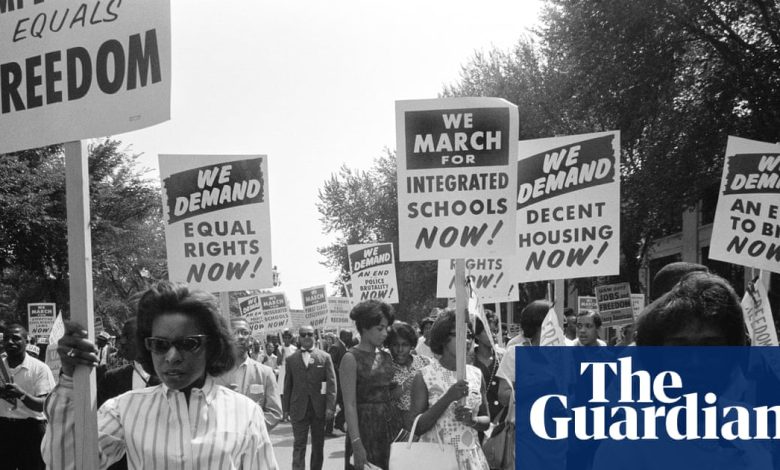
Historians and political scientists agree that protests have significantly influenced American history. From the fight for women’s suffrage to recent movements like Black Lives Matter, mass actions have led to critical changes in laws and social attitudes. For instance, protests have contributed to the passage of legislation granting women the right to vote, outlawing segregation, and legalizing same-sex marriage. They have also sparked cultural shifts in perceptions regarding bodily autonomy, economic inequality, and racial bias.
Protests Influence Elections
Carmen Perez-Jordan never imagined that organizing a national protest for women’s rights after Trump’s election would culminate in the largest single-day demonstration in U.S. history. On January 21, 2017, over 500,000 people marched in Washington, D.C., with an estimated 4 million participating nationwide.
In retrospect, Perez-Jordan notes that the Women’s March engaged millions in activism for the first time, inspiring movements like #MeToo and broadening the focus on women’s issues beyond reproductive rights. “It was unquestionably impactful,” she stated, emphasizing that it demonstrated millions would take a stand when democracy and human rights are at stake.
The Surge in Female Political Candidates
Research indicates the Women’s March prompted a significant increase in female candidates running for office, attributed to a newfound empowerment among women to tackle long-ignored issues. In the 2018 midterms, over 500 women entered congressional races, nearly doubling participation from 2016.
Moreover, areas with higher protest turnout saw increased votes for Democratic candidates, with studies suggesting that greater participation correlates with support for women and candidates of color. Conversely, localities that experienced intense involvement during the Tea Party protests in 2009 also showed heightened Republican backing in the 2010 midterms. This indicates how protests can mobilize public opinion more effectively than individual votes.
Protests Foster Lifelong Civic Engagement
Engagement often starts with a single protest; research shows individuals who attend one demonstration are more likely to participate in subsequent ones. For example, those involved in the 1964 Freedom Summer, aimed at registering Black voters in Mississippi, were more likely to remain active in civic matters than those who merely intended to participate.
“The impact of protesting is more about action than intent,” explained Jeremy Pressman, a political scientist at the University of Connecticut. Protests build networks and coalitions that can be harnessed for future advocacy efforts, thus reinforcing civic engagement in communities.
Nonviolence is Key
Nonviolence has consistently proven to be the most effective strategy in U.S. protests, as exemplified during the civil rights movement. Participants maintained a disciplined approach, opting for peaceful demonstration methods that garnered sympathy and support from the public.
Instances of apparent state violence against peaceful protests, such as the brutal police response to marchers on the Edmund Pettus Bridge in 1965, often strengthened public support for the movement. Conversely, violent tactics can undermine public backing, as seen in counter-protests during the 2017 Charlottesville rally. Despite favorable views of anti-racist positions, acts of aggression during the protests resulted in diminished public esteem.
Emotional Wellbeing and Agency
While impactful legislation is often seen as a measure of success, the personal effects of protests on participants should not be overlooked. Research indicates that involvement in significant movements, such as ACT UP during the HIV/AIDS crisis, contributed to a lasting sense of validation among participants.
Shifting the focus from purely political outcomes to individual fulfillment highlights how protests can enhance emotional wellbeing and foster a sense of community among participants. “It’s important to broaden the definition of success,” says Wasow, stressing the value of maintaining one’s agency through active participation.