One-Third of Museums Have Lost Government Funding Since Trump Took Office, Survey Reveals

Survey Reveals Impact of Trump Administration on U.S. Museums
One-third of U.S. museums have experienced a loss of government grants or contracts since Donald Trump took office, according to a new survey by the American Alliance of Museums. This report, drawing on insights from over 500 museum directors nationwide, highlights the significant challenges faced by cultural institutions under the current administration.
The survey found that museums affected by government funding cuts reported a median loss of $30,000. The most frequently canceled grants came from the Institute of Museum and Library Services, the National Endowment for the Humanities, and the National Endowment for the Arts. Alarmingly, two-thirds of respondents indicated that lost funding has not been replaced by foundations, sponsors, or individual donors.
“We’re witnessing a concerning trend in attendance and financial performance for the first time since the pandemic, with recovery not just stalling but reversing. This should serve as a wake-up call for policymakers and philanthropists alike,” stated Marilyn Jackson, president and CEO of the American Alliance of Museums, emphasizing the urgent need for election reform and supportive government policy.
The report further indicated that about 25% of museums losing federal funding have had to cancel or reduce programs for students, rural communities, individuals with disabilities, and the elderly. Additionally, 28% reported cancellations of general public programming. Museum directors expressed concerns over ongoing disruptions expected to persist into 2026, attributing these to shifts in philanthropy, financial instability, changes in travel and tourism, inflation, and continuing losses in government funding.
A third of respondents identified ideological and political polarization as likely disruptors to their business strategies in the coming year. Since resuming office, the Trump administration has actively targeted cultural institutions viewed as opposed to the president’s agenda, further complicating the landscape of public opinion and civic engagement in America.
In a controversial move, Trump assumed control of the Kennedy Center in February, dismissing board chair David Rubenstein and appointing himself to oversee the prestigious venue. Following this shake-up, ticket sales for the Kennedy Center’s most significant performance spaces plunged to their lowest levels in years.
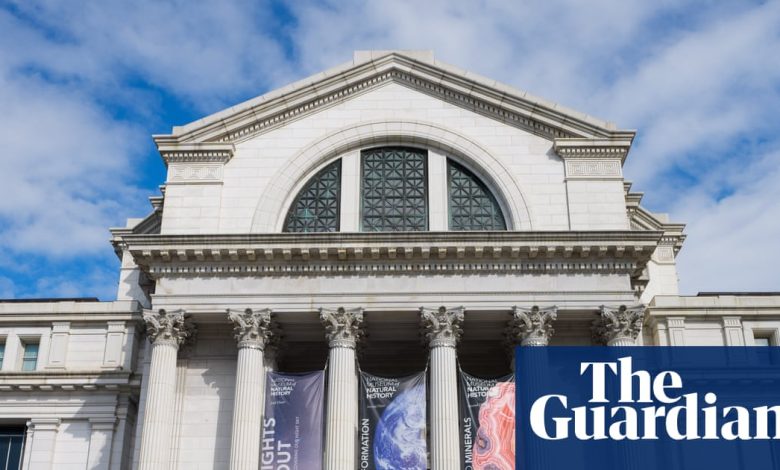
In March, Trump issued an executive order mandating the Smithsonian to eliminate content deemed “improper, divisive, or anti-American,” particularly targeting the National Museum of African American History and Culture. Then, in August, the administration signaled its intent to conduct a sweeping review of all Smithsonian exhibits, materials, and operations, further straining the relationship between the government and cultural institutions.
In response, Smithsonian Secretary Lonnie G. Bunch III reportedly informed staff that the institution would comply with the White House’s request for a review while maintaining its autonomy. “Our ongoing review of content is designed to ensure that our programming remains nonpartisan and factual,” he wrote, underscoring the critical role of independent institutions in preserving democracy in America.
Moreover, a White House document released in August listed examples from seven museums that purportedly contained “overly negative portrayals of U.S. history,” including the National Museum of American History and the forthcoming National Museum of the American Latino. This scrutiny raises essential questions regarding political strategy and the influence of government policy on the cultural narrative in the United States.