
Kilmar Ábrego García Released from ICE Custody Amid Trump Immigration Controversy

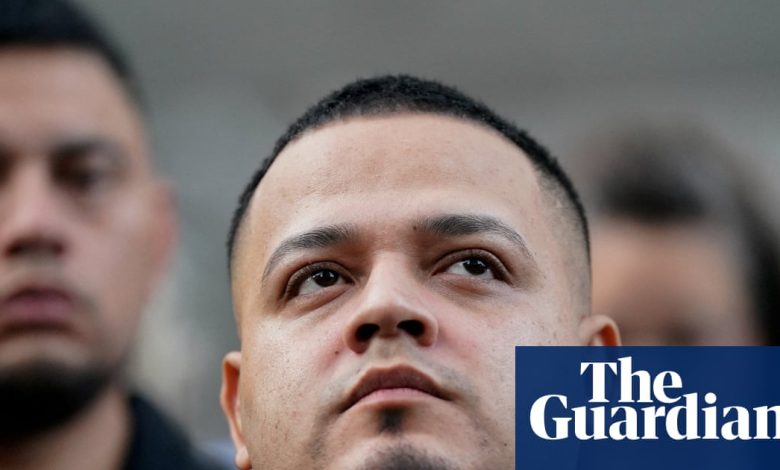
Kilmar Ábrego García Released After Lengthy Immigration Battle
Kilmar Ábrego García was freed from an immigration detention facility in Pennsylvania following a federal judge’s ruling in Maryland. This decision raises important questions about election reform, government policy, and the implications for democracy in America.
Background of the Case
Ábrego, who had been detained, was released shortly before 5 PM ET, according to his attorney. After living in Maryland for years with his U.S. citizen wife and child, he entered the country illegally as a teenager. His attorney stated that while they are uncertain about what will happen next, they are prepared to challenge any further deportation attempts.
Legal Developments
The ruling came after a habeas corpus petition submitted by Ábrego’s legal team, arguing that the federal government had no authority to detain him without a final deportation order. This legal victory underscores the ongoing debates surrounding immigration policy and public opinion regarding deportation practices.
The Department of Homeland Security (DHS) condemned the judge’s decision, characterizing it as “naked judicial activism,” and announced plans to appeal. Ábrego’s case has become emblematic of the national struggle over Donald Trump’s aggressive immigration strategy and mass deportation agenda.
Public Perception and Political Strategy
Trump administration officials have targeted Ábrego through a concerted public relations campaign, labeling him as a member of the MS-13 gang despite the absence of any criminal convictions. His attorneys vehemently deny these allegations, revealing that Ábrego suffered beatings, sleep deprivation, and psychological torture during his previous detention in El Salvador.
Judicial Findings
U.S. District Judge Paula Xinis stated in her Thursday order, “Since Ábrego García’s wrongful detention in El Salvador, he has been redetained, again without lawful authority.” Xinis emphasized that the lack of a valid removal order renders the government’s attempts to deport Ábrego unlawful, a significant point in the ongoing conversation about civic engagement and legal protections in immigration cases.
Earlier in the month, federal prosecutors had requested that the Maryland judge lift the restrictions on deporting Ábrego to Liberia, claiming that Liberia had ensured he would not face persecution or torture. However, this is a contentious issue that raises fundamental questions about human rights in the context of U.S. foreign affairs.
The Fallout of His Deportation
In March, Ábrego was wrongfully deported to a mega-prison in El Salvador, which sparked significant litigation over his repatriation and highlighted the challenges of a hardline immigration policy. Judges have since determined that his arrest was illegal, resulting in a unanimous ruling by the Supreme Court mandating his return to the U.S.
In June, upon his return, Ábrego faced human smuggling charges in Tennessee, where he pled not guilty. The Trump administration has sought to deport him to various locations, including Ghana, Liberia, and Uganda, illustrating the complexities of political strategy in immigration enforcement.