

Democrats Aim for Election Reform Through Affordability in Midterm Campaigns
In their efforts to counter Donald Trump’s influence with voters, Democrats have centered their messaging around one pivotal theme: affordability. This focus has become integral to press conferences, candidate platforms, and legislative efforts as the November midterm elections approach.
Democratic Strategies on Affordability
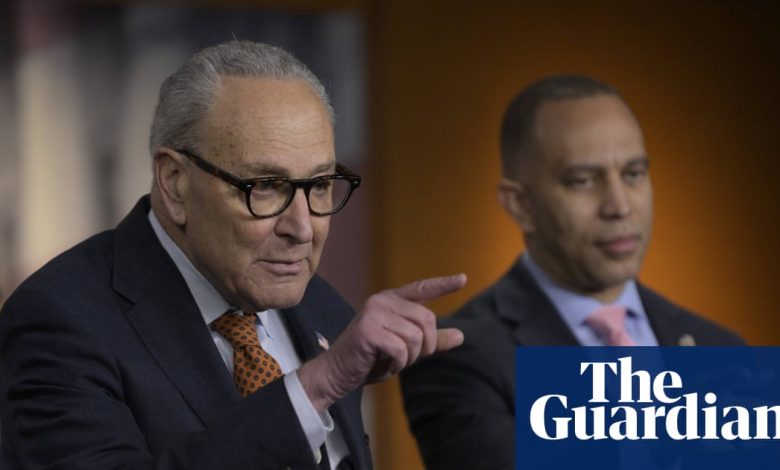
When Democrats oppose Trump’s initiatives—a frequent occurrence—they assert that Americans would find life more manageable had the president prioritized reducing everyday costs. Senate Minority Leader Chuck Schumer emphasized this point, stating, “Democrats in the House and Senate are focusing on lowering your costs. Republicans, led by Donald Trump, are focused on spending resources on military adventures overseas.”
Political Climate and Public Opinion
This marks a significant shift for Democrats, who struggled during President Joe Biden’s administration to address soaring inflation that plagued the U.S. economy, casting doubt on his presidency’s success. Meanwhile, Trump has promised to lower prices “on day one,” a commitment viewed by many as unrealistic, and now, it appears Democrats could reap the benefits of Republican shortcomings.
As political science professor Marc Hetherington noted, “It’s a vulnerability for Republicans, as they pledged to improve conditions. However, prices have not decreased.” Hetherington suggested that this represents a crucial opportunity for Democrats.
Republican Resistance and Legislative Moves
Recent developments highlight a shift within Republican ranks. On Thursday, 17 House Republicans defied their leadership to support a three-year reinstatement of premium tax credits for Affordable Care Act (ACA) plans. This occurred after a protracted standoff, during which Democrats had nearly triggered a government shutdown over funding related to the subsidies, which were essential to preventing significant cost increases for ACA insurance purchasers.
Amidst this backdrop, moderate Republicans managed to pass the three-year extension, despite Speaker Mike Johnson’s prior stance against any legislative movement on the issue. Congressman Brian Fitzpatrick, a vital figure in this maneuver, remarked, “Clean extension is a far better option, and that’s why I proceeded down the path that I did.”
Implications for Future Elections
Although the bill may struggle to pass the Republican-controlled Senate, Democratic House Minority Leader Hakeem Jeffries expressed optimism about its impact on the party’s strategy, stating, “Democrats in the minority are governing as if we’re in the majority. We need to address this affordability crisis.” This sentiment aligns with ongoing efforts from external groups, such as Unrig Our Economy, which spent significant resources to elevate this issue in voters’ minds.
Democrats’ Path Forward
Even as inflation persists—currently at an annual rate of 2.7%—public approval of Trump’s economic management has dropped, highlighting voter concerns about financial stability. Schumer’s commitment to make healthcare and cost-of-living issues central to the 2026 agenda indicates the party’s long-term focus.
Republicans, on the other hand, are banking on a positive shift due to the “Working Families Tax Cut,” which they predict will bolster household finances this upcoming tax season. Speaker Johnson asserted that these provisions would deliver substantial refunds to American families.
While they navigate these complexities, Republicans are resorting to strategies that aim to redirect public attention toward issues like claims of fraud in childcare spending or geopolitical events, despite potential backlash from persistent inflation concerns.