Cuba Condemns U.S. Seizure of Oil Tanker Near Venezuela as ‘Piracy’ | Trump Administration

Cuban Officials Condemn U.S. Seizure of Oil Tanker as Maritime Piracy
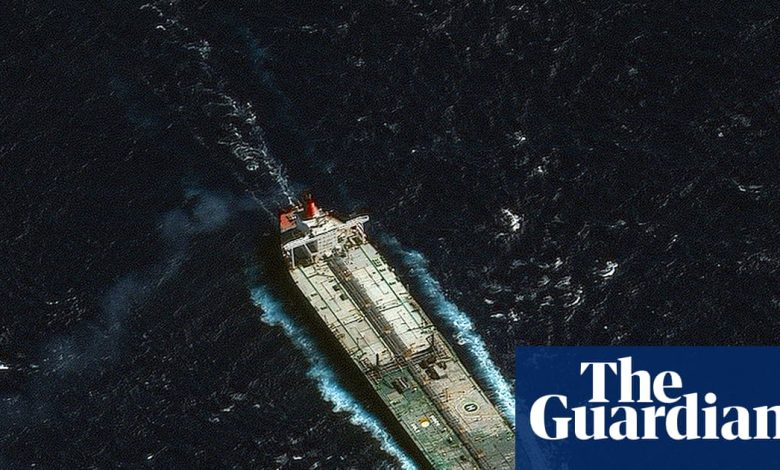
Officials from Cuba have sharply criticized the recent seizure of the Skipper oil tanker off the coast of Venezuela, labeling it an “act of piracy and maritime terrorism.” They assert that the action represents a serious violation of international law, detrimental not only to the Caribbean nation but also to its citizens.
The Cuban Foreign Ministry stated, “This action is part of the U.S. escalation aimed at hampering Venezuela’s legitimate right to freely utilize and trade its natural resources, including hydrocarbon supplies to Cuba.” The ministry further claimed that the U.S. action intensifies the policy of economic suffocation and maximum pressure against Cuba.
The Skipper, reportedly en route to Galveston, Texas, was believed to be carrying nearly 2 million barrels of heavy crude oil from Venezuela, according to internal data from the Venezuelan state oil company, PDVSA.
Originally destined for the Cuban port of Matanzas, the Skipper off-loaded approximately 50,000 barrels to another vessel shortly after its departure, which then proceeded north toward Cuba while the Skipper diverted east toward Asia.
Notably, about 80% of Venezuela’s oil exports—roughly 663,000 to 746,000 barrels daily—are sent to China. Historically, Cuba has depended on Venezuelan oil exports in exchange for medical services, sports instructors, and security personnel, who provide protection for President Nicolás Maduro.
However, it has been reported that much of the subsidized oil intended for Cuba has been sold to China for crucial foreign currency.
The seizure of the Skipper coincides with a significant decline in Venezuelan oil exports, as reported by various sources. This situation has been compounded by the U.S. Treasury Department’s imposition of new sanctions targeting shipping companies and vessels engaged in trade with Venezuela, alongside members of Maduro’s family.
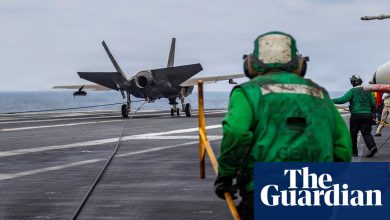
Additionally, reports indicate that the U.S. has increased its military presence in the Caribbean following the seizure of the Skipper, which follows a series of deadly strikes on alleged drug ships. Enhanced military capabilities have been added to U.S. bases in Puerto Rico and the Dominican Republic.
The new deployments include search and rescue aircraft, helicopters, refueling tankers, and advanced military jets—potentially aimed at neutralizing Venezuelan defense systems. This substantial military buildup highlights the ongoing geopolitics surrounding Venezuela’s oil exports and U.S. foreign policy.
The U.S. strategy to disrupt Venezuela’s oil exports is part of broader efforts to undermine the so-called “shadow fleet” of approximately 1,000 oil tankers accused of violating international energy sanctions. Tracking data indicates that 30 of the 80 tankers awaiting Venezuelan crude are under sanctions, creating a target for the ongoing U.S. policy to maintain stability in the Western Hemisphere.
The recent sanctions have also included actions against Panamanian businessman Ramón Carretero for facilitating petroleum shipments for the Venezuelan government, adding to the pressure on Maduro’s regime.
Venezuelan authorities have condemned the seizure as “an act of international piracy,” with Communications Minister Freddy Ñáñez accusing Washington of “piracy, kidnapping, and theft of private property.”
Following the seizure, the U.S. Attorney’s Office unsealed a warrant detailing the Skipper’s involvement with a shipping network allegedly linked to terrorism-designated groups, emphasizing a commitment to enforce U.S. sanctions and enhance national security.