
Protests in Iran: The Impact of U.S. Political Promises
When former President Donald Trump vowed to “rescue” protesters if Iranian authorities resorted to violence, Siavash Shirzad felt a flicker of hope. For the first time, he believed that the leader of the United States was committed to supporting those advocating for change in Iran.
The 38-year-old father had witnessed previous uprisings being mercilessly suppressed. Yet, emboldened by Trump’s promises, Shirzad took to the streets of Tehran, disregarding his family’s concerns and joining thousands of others demanding political reform.
Tragically, the situation escalated. On January 8, the Iranian government initiated a violent crackdown, resulting in Shirzad being shot during a protest. He died from his injuries, leaving behind a young son.
“Siavash hoped until the very end that Trump’s help would come,” recounted a cousin, who requested anonymity due to fears of reprisals. “We warned him: ‘Don’t go, it’s dangerous.’ But he replied, ‘Trump said he supports us, I’m going.’”
In a dramatic reversal, Trump later urged Iranians to persist in their protests, even suggesting they “take over your institutions,” while asserting that “help is on the way.” However, within 24 hours, he recanted, telling reporters that he had received assurances from Iranian leaders that executions would be halted, signaling a retreat from military intervention, at least for the time being.
In the face of this political shift, despair quickly settled among protesters in Iran. Reports indicated that, despite Trump’s reassurances, violence against demonstrators remained rampant. The once-bustling streets of Tehran became eerily silent, dotted with armed security forces patrolling areas where protests had erupted just days earlier.
“Mass arrests are underway. As soon as Trump’s attention shifts, the executions will begin,” a resident expressed in messages delivered through an activist, highlighting the fear that loomed over the protest movements.
While the Iranian regime opted against executing detainees at that moment, the persistent crackdown included publicly airing forced confessions and detaining protesters, raising serious concerns from human rights organizations about fair trials and treatment within detention facilities. Over 30 rights groups have highlighted the correlation between periods of unrest and escalated abuses in Iranian prisons.
Despite the regime’s temporary halt on executions, many Iranians abroad felt betrayed by the U.S. government’s lack of decisive action. For weeks, they watched the brutal repression of protests in Iran while managing scarce communication with family back home. Trump’s promise of assistance appeared to be their only tether to hope.
“This feels like a slap in the face,” said Elham, an Iranian living in Sydney. “Iranians have been let down before, but this time felt significant.”
As the Iranian diaspora processed Trump’s shift toward negotiations rather than support for regime change, a growing sense of betrayal emerged. According to many, instead of aiding those opposed to the Iranian regime, the U.S. seemed pivoted towards diplomacy. The foreign minister of Iran reiterated this sentiment, calling for engagement with the U.S. through diplomatic channels, further solidifying fears among dissenters.
“If Trump extends a lifeline to the regime, it will signify a profound betrayal, extinguishing hope among ordinary Iranians,” Elham said.
As U.S. forces withdrew from regional positions, the strategy toward Iran remained murky. Though unprecedented protests did not seem to destabilize the Iranian state immediately—with its well-equipped security apparatus—there were concerns about potential backlashes from military strikes against Iran impacting both Israeli and U.S. interests.
Moreover, there were apprehensions that U.S. intervention could inadvertently validate the regime’s narrative that protests were foreign-influenced, undermining the demonstrators’ genuine calls for democracy.
Despite uncertainty, both protesters inside Iran and those living abroad remained hopeful for tangible support. “The people of Iran believed him. They placed their trust in his words. If he fails to act, that trust will be irreparably broken,” cautioned Azam Jangravi, an Iranian in Canada whose friend lost their life in the protests.
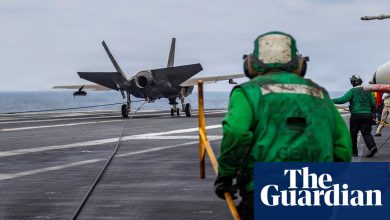
The U.S. ambassador to the UN emphasized that no options were off the table in responding to the violence in Iran, reaffirming that a U.S. aircraft carrier was on its way to the region.