Opposition Leader Machado Claims She Hasn’t Communicated with Trump Since the Attack, Vows to Return to Venezuela – Live Coverage of U.S. Actions in Venezuela

U.S. Military Raid in Venezuela: The Aftermath and Political Ramifications
Our ongoing coverage details the significant developments following the U.S. military’s recent operation in Venezuela that ousted President Nicolás Maduro from power.
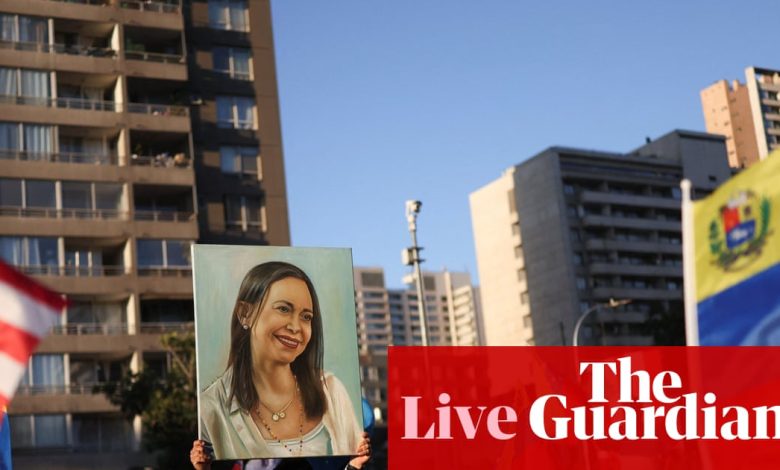
In her first televised interview since the raid, Venezuelan opposition leader and Nobel Peace Prize recipient María Corina Machado revealed that she has not spoken to former President Donald Trump since October 2025. “I spoke with President Trump on October 10, the same day the Nobel Peace Prize was announced, but not since then,” she stated during an appearance on Fox News. Recognized as Maduro’s most credible challenger, Machado has been in Norway to accept her award and has yet to return to Venezuela.
On her plans to return home, Machado mentioned, “I’m planning to go back as soon as possible.” However, Trump’s recent comments questioned her viability, asserting, “She doesn’t have the support or respect within the country.” Reports indicate that a classified CIA assessment presented to Trump concluded that Maduro loyalists—including interim president Delcy Rodríguez—are better positioned to maintain stability.
Despite these sentiments, Machado welcomed U.S. actions, describing them as “a huge step for humanity, for freedom, and human dignity.”
Key Developments
Additional significant occurrences following the raid include:
- Mike Johnson, the Republican Speaker of the U.S. House, emerged from a classified briefing, stating, “We are not at war, and this is not a regime change, but rather a demand for a change of behavior by a regime.”
- Chuck Schumer, the Senate’s Democratic Minority Leader, expressed dissatisfaction with the briefing, labeling the Trump administration’s “plan for the U.S. ‘running Venezuela’ as vague, rooted in wishful thinking, and unsatisfactory.”
- Reports indicated that unidentified drones appeared over the presidential palace in Caracas on Monday night, leading to heavy gunfire as the regime’s security forces responded to what they misidentified as another raid.
- Trump suggested to NBC News that U.S. taxpayers could fund rebuilding Venezuela’s oil infrastructure, stating, “A tremendous amount of money will have to be spent, and the oil companies will spend it, receiving reimbursement from us or through revenue.”
- White House adviser Stephen Miller reiterated the Trump administration’s position on making Greenland a part of the U.S.
Media Coverage and Civic Engagement
In a related development, over a dozen journalists were detained while covering events in Caracas, including a rally supporting Maduro and the inauguration of the new legislature. The Venezuelan press association reported that all 14 detainees were later released, including one foreign journalist who was deported. Notably, 11 of the detained were affiliated with international media outlets.