
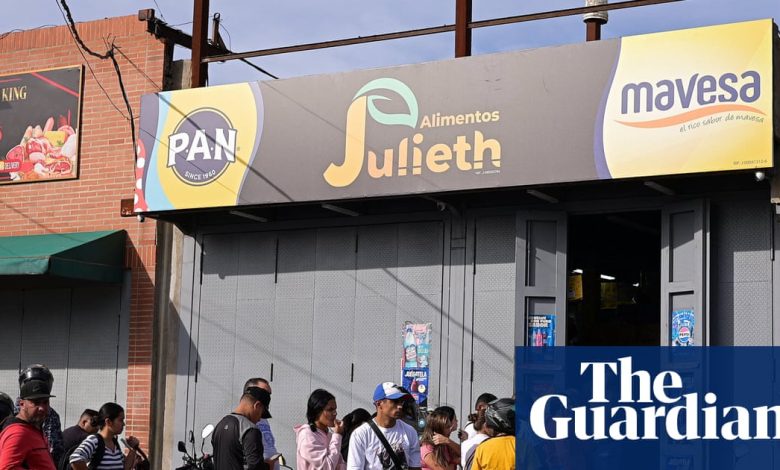
Emotions Run Deep in Caracas Following US Military Action
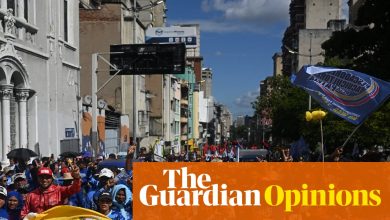
A wave of uncertainty gripped the streets of Caracas on Sunday, 24 hours after a historic US military operation targeted Venezuela, culminating in the unexpected capture of President Nicolás Maduro.
Public Sentiments in Turmoil
“Uncertainty,” expressed Griselda Guzmán, a 68-year-old pensioner, as she fought back tears while waiting in line outside a grocery store with her husband. They were stocking up on essentials in anticipation of potential fallout.
“Anger,” echoed Sauriany, a 23-year-old administrative worker, as she queued with her partner, Leandro, for basic supplies. “Who could have imagined this would happen? That they would bomb our country while we slept?” he questioned, disbelief etched on his face.
Leandro, taken aback by the situation, remarked on the chaotic grocery scene. “If I thought it would improve the country, I’d welcome it,” he continued. “But I don’t believe this will bring peace. This isn’t how you achieve it.”
Reactions to the Military Action
Similar feelings of confusion reverberated across Caracas as its three million residents grappled with the shocking nocturnal assault. Regional leaders from nations like Spain, Brazil, and Mexico have condemned the action, warning it sets a troubling precedent for peace and security.
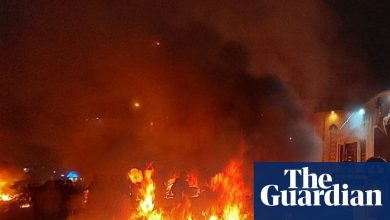
“It’s all so distressing,” noted Gabriel Vásquez, a 29-year-old videographer, who recalled being jolted awake by a “gigantic” explosion. “We have no water, no electricity, no phone service – just darkness,” he lamented.
Many citizens refrained from celebrating Maduro’s downfall, citing fears that his regime might retaliate and a general sentiment that the situation remains unchanged post-intervention.
Political Implications in Venezuela
On Sunday, Venezuelan military leaders declared Vice President Delcy Rodríguez as acting president following the “cowardly kidnapping” of Maduro and his wife, Cilia Flores. Meanwhile, Trump signaled readiness to cooperate with Rodríguez, suggesting she might be instrumental in restoring Venezuela’s former glory.
“They’ve taken Maduro, but the [Bolivarian] revolution isn’t finished,” stated Antonio Guzmán, Griselda’s husband, emphasizing that significant challenges still loom. However, many locals harbored silent relief at the fall of a leader perceived to have led the nation toward ruin.
“Maduro never showed concern for the hardships of his people,” Griselda said. “Seeing him handcuffed was a moment of justice.” She reflected on how Maduro could have conceded power after the 2024 elections but chose to resist, now finding himself facing serious charges in the US.
International Reactions and Regional Security
In the wake of the military intervention, experts warn that the incursion might plunge Venezuela and its neighbors into chaos. Colombia’s president, Gustavo Petro, has deployed 30,000 troops to secure the border against possible unrest.
The National Liberation Army of Colombia condemned the US military action, labeling it an “imperial” assault and vowing to defend Venezuelan sovereignty. “These are our problems, and we need to resolve them ourselves,” Sauriany remarked as fear of foreign meddling grew.