

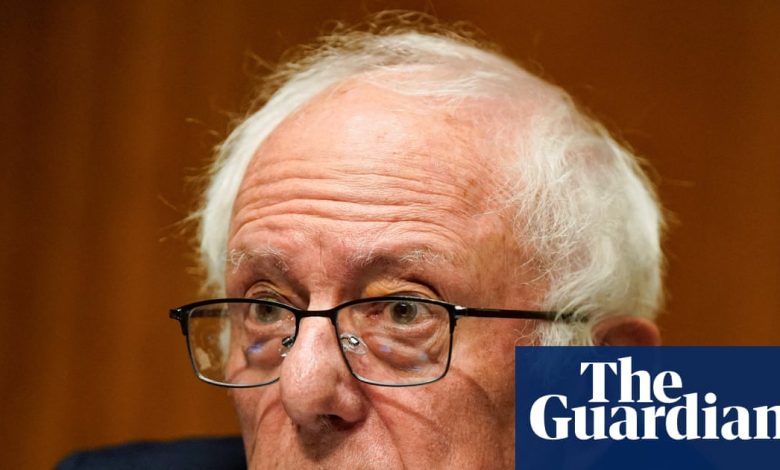
Bernie Sanders Calls for AI Regulation Amid Economic Concerns
U.S. Senator Bernie Sanders has intensified his critique of artificial intelligence, directly linking the pursuit of financial gain by the world’s wealthiest individuals to growing economic insecurity among millions of Americans. During an appearance on CNN’s State of the Union, he proposed a potential moratorium on the establishment of new data centers.
The Risks of Artificial Intelligence
Sanders, an independent from Vermont who caucuses with the Democratic Party, expressed his deep fears regarding the implications of artificial intelligence. He described it as “the most consequential technology in the history of humanity,” one that could transform the United States and the global landscape in unprecedented ways.
“If there are no jobs and humans won’t be needed for most tasks, how do people earn an income to support their families, secure healthcare, or pay rent?” Sanders questioned. “There’s not been one serious discussion in Congress about that reality.”
Technology and Wealth Inequality
In the lead-up to the inauguration of New York’s mayor-elect, democratic socialist Zohran Mamdani, Sanders pinpointed the motivations of influential tech leaders like Elon Musk, Mark Zuckerberg, Jeff Bezos, and Peter Thiel.
“Do you think they lie awake at night worrying about working-class individuals and how this technology will impact their lives?” Sanders asked. “They are not. Their focus is solely on becoming richer and gaining more power.”
AI’s Impact on Human Interaction
Additionally, Sanders highlighted studies indicating a troubling dependency on AI chatbots for emotional support. “If this trend continues, what does it mean for future generations when they rely on machines instead of human interaction?” he pondered. “What does that mean for humanity?”
Bipartisan Concern for AI’s Impact on Minors
The topic gained traction with Alabama Republican Senator Katie Britt, who is co-sponsoring legislation aimed at protecting minors from AI chatbots. The proposed Guardianship Over Artificial Intelligence Relationships (Guard) Act seeks to prohibit the use of AI companions by minors, requiring such technologies to disclose their non-human status and absence of professional credentials. The measure also aims to hold companies accountable if AI companions lead to sexual exploitation or encourage self-harm.
Britt recounted harrowing conversations with parents about their children feeling isolated, stating, “Chatbots ultimately, when you peel everything back, had communicated suicidal thoughts.”
“If these AI companies can create advanced machines, they have a duty to implement appropriate safeguards to prevent minors from using them,” she continued. “They should consistently remind users that they are not qualified professionals; they are machines.”
A Call for Serious Legislative Action
Sanders and Britt’s remarks illustrate an uncommon bipartisan agreement on the urgent need for a thoughtful approach to governing artificial intelligence. Sanders emphasized that Congress must “vigorously study the impact that AI has on the mental health of our country.”
“I am very concerned about children spending all day seeking emotional support from machines,” he stressed. “We must carefully examine this issue.” He reiterated the need for lawmakers to contemplate a moratorium on new AI data centers.
“To put it plainly, the process must be slowed down,” Sanders urged. “It’s unacceptable for wealthy individuals to dictate this technology’s inevitability while leaving the rest of us to adapt. Will they guarantee healthcare for all? Will they ensure housing is affordable? We need to take a deep breath and reevaluate this situation.”