Boston Embraces ‘Spirit of Rebellion’ in Defiance of ICE’s Immigration Crackdown

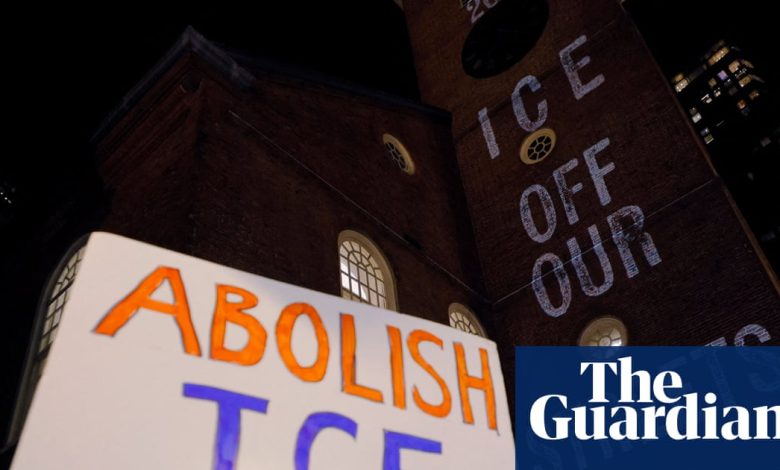
Fear and Resistance: The Impact of Immigration Enforcement in Boston
Lucia López Belloza, a 19-year-old student, will not be home for Christmas this year. The Babson College freshman, who had flown from Boston to Austin to spend Thanksgiving with her family, was arrested by federal Immigration and Customs Enforcement (ICE) agents just before her flight on November 20. Instead of spending the holidays with her loved ones, she faced deportation back to Honduras—the country she fled at the age of seven in search of asylum—while restrained in shackles.
Speaking from her grandparent’s house in San Pedro Sula, she expressed her disillusionment with the American Dream: “I’m losing everything.”
Boston is experiencing a stark downturn in holiday spirit as masked individuals patrol the streets, conducting immigration raids at traffic stops, grocery stores, and courthouses. These actions have led to a palpable fear among immigrant families, resulting in significant classroom absences as children stay home to avoid being targeted while learning.
An Ecuadorian couple, victims of human trafficking, faced arrest twice in four months. The mother, whose name is withheld, recounted being detained for two months in August, while her husband was arrested on December 9 and is currently held in Plymouth, Massachusetts. “It has been very hard; it has affected my daughter psychologically,” she shared. Their family, who entered the U.S. illegally in 2021 seeking asylum, had already applied for T non-immigrant status, a visa designed for trafficking victims.
The acting ICE director, Todd Lyons, announced plans to “flood” Boston as the city navigates an escalating conflict with the Trump administration, particularly after Mayor Michelle Wu’s testimony in Congress regarding Boston’s sanctuary policies that limit local law enforcement cooperation with ICE. Recently, the agency declared it would add nearly 10,000 officers in 2025.
A significant operation named “Patriot 2.0” commenced in September, marking another crackdown on undocumented immigrants—continuing from “Operation Patriot” initiated in May, which resulted in 1,500 arrests. This past September, ICE apprehended 1,400 individuals, including those alleged to hold criminal backgrounds. Lyons commented, “Patriot 2.0 exposed the grave consequences of sanctuary policies and highlighted the need for local leaders to prioritize their constituents’ safety over politics.”
However, skepticism looms large within the community. ICE raids, such as one at an Allston car wash, have been criticized after nine workers—none with criminal records—were arrested while simply doing their jobs. City Councilor Liz Breadon remarked, “I would say it’s pretty close to the definition of kidnapping.”
Boston is mounting a resistance against these enforcement actions. Mayor Wu has consistently supported the city’s immigrant population and demanded accountability for wrongful arrests. Some affected individuals have started lawsuits, while community organizations like the Beyond Bond & Legal Defense Fund are responding with financial aid to detainees and their families.
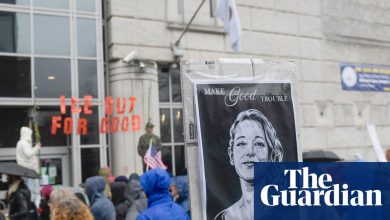
In a symbolic act of defiance, the Catholic Church of St. Susanna in Dedham sparked controversy by replacing its traditional nativity scene with an empty cradle labeled “ICE WAS HERE,” suggesting that the holy family had experienced a similar fate. Father Steve Josoma defended the display, stating, “It showed the context Christmas is happening in this year.”
Grassroots initiatives are also emerging. LUCE, the immigrant justice network of Massachusetts, launched a hotline for reporting ICE sightings, receiving 150 calls a day and training numerous volunteers. Director Pietra Adami highlighted the community’s solidarity, stating, “There’s this beauty about LUCE, people are showing up for their community, saying: ‘hands off my neighbor.’”
Despite facing increasing pressure and misinformation, community members emphasize the importance of staying informed and critically evaluating news. One immigrant monitor expressed that the prevailing tactics evoke confusion and fear, which can deter vulnerable populations from speaking out.
This month, approximately 21 immigrants were turned away from their own naturalization ceremonies at Boston’s historic Faneuil Hall due to a federal pause impacting individuals from 19 designated “high-risk” countries. Faneuil Hall has been a site of protest since the 1760s, contributing to the American Revolution.
In a modern homage to past acts of resistance, activists dressed in colonial attire marked the 252nd anniversary of the Boston Tea Party, where they discarded 342 pounds of ice into the harbor as a statement against oppressive policies. Nikki May, a healthcare worker, drew parallels to historical injustices, stating, “I see a lot of similarities with what happened in 1773; press gangs, tariffs, unchecked powers, but also the spirit of rebellion.”