
Trump’s Rhetoric and the Impact of Immigration Policy: An Ethical Evaluation
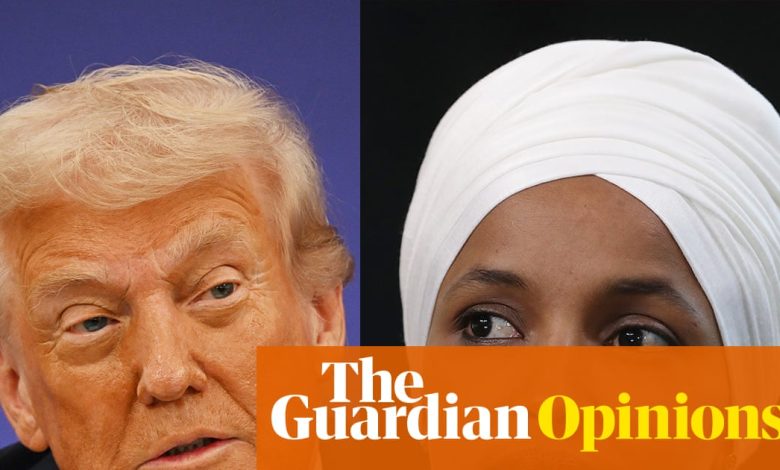
On December 9, 2023, a rally in Pennsylvania focused on affordability rapidly descended into a problematic display of racist comments by Donald Trump. During the event, Trump remarked, “We only take people from shithole countries. Why can’t we have some people from Norway or Sweden? … From Denmark. Send us some nice people. But we always take people from Somalia, places that are a disaster, right? Filthy, dirty, disgusting, ridden with crime.”
Referring to U.S. Representative Ilhan Omar’s hijab as a “little turban,” Trump continued, “She should get the hell out. Throw her the hell out.” This prompted his supporters to join in chanting, “Send her back.” While such statements are not only reprehensible but factually inaccurate, they reflect a troubling truth: the Trump administration’s vision for America is increasingly rooted in a narrative that promotes a predominantly white Christian nation. This vision implies a systematic exclusionary approach to those who do not fit this mold.
In pursuit of this vision, Trump and his allies have been using the term “reverse migration” and have even proposed the creation of an “office of remigration,” echoing harmful ideologies that view immigrants as threats to the identity of “white” nations. Such policies appear aimed at the forced removal of immigrants, a disturbing attempt to “restore” a racially exclusionary America.
Contrary to Trump’s claims, historical context shows that the United States has long restricted immigration to favor white European immigrants through legal means until the pivotal civil rights movements of the 1950s and 60s challenged and ultimately changed these racial quotas. Currently, immigrant inclusion remains a contentious issue, revealing deep-rooted racial biases within U.S. immigration policy.
Today, the Trump administration is actively narrowing the pathways for immigration, blocking routes for asylum seekers and canceling resettlement programs, particularly for groups such as Haitians, Venezuelans, and Nicaraguans. Temporary Protected Status has been revoked for numerous communities deemed unsafe. Additionally, significant fee increases for immigration processes are further restricting access to legal status.
Moreover, the administration is exploring ways to obstruct citizenship paths for eligible individuals. Citizenship ceremonies are being abruptly canceled, and instances of citizens, including university students engaged in civic protests, have been met with detentions during their appointments.
Former President Trump even issued an executive order aimed at rescinding birthright citizenship, a vital safeguard once established through groundbreaking civil rights efforts. This move has gained attention in the courts, raising concerns about its implications for existing citizens.
These current policies are set against a backdrop of escalating deportation efforts. The expansion of resources allocated to ICE has rendered it one of the most funded law enforcement agencies in the federal government, allowing for tactics that enable racial profiling. This not only endangers undocumented individuals but also targets U.S. citizens of color.
Data reveals that foremost concerns about the fiscal burden immigrants pose are unfounded. The vast majority of detained immigrants have no criminal records, countering longstanding stigmas surrounding immigrant populations. Furthermore, immigrant communities often contribute significantly to local economies, as seen in Minnesota, where Somali residents added $8 billion.
The harsh realities of deportation have been starkly illustrated by Trump’s joking references to the practice, which has left families devastated. Detainees are often held in facilities where their rights are compromised, fueling a profit-driven system that prioritizes corporate gain over humanitarian considerations.
The impact of these policies extends beyond physical confinement; they represent a broader trend of disinvestment in communities primarily composed of Black and brown individuals. Recent legislation has reversed social spending measures, limiting access to healthcare and welfare benefits while strengthening policing budgets.
This ongoing struggle transpires within academic environments, where rights to diversity and dissent are under siege. The prevailing narrative emphasizes subjugation over inclusion, fostering an atmosphere where division is further instilled.