
Epstein’s Documents Highlight Links to Trump Amid Ongoing Controversy
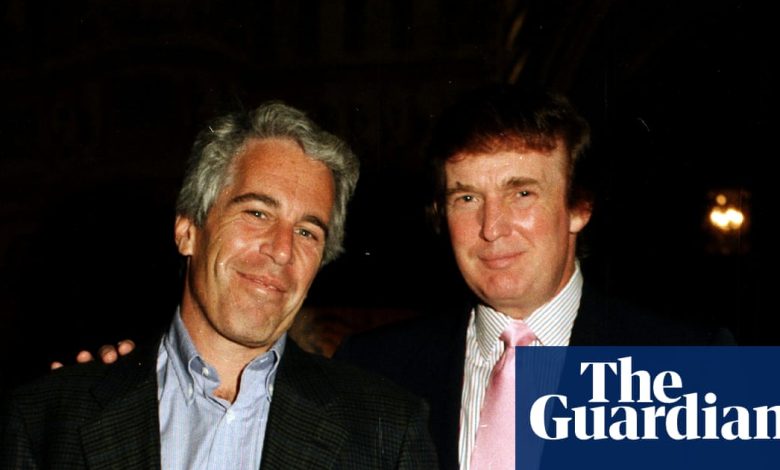
Documents released by the House Oversight Committee have unveiled that Jeffrey Epstein’s staff monitored Donald Trump’s air travel in relation to Epstein’s own transport needs. This troubling information continues to surface as Trump navigates the political ramifications of their past relationship and the failure of the Justice Department to release promised documents from the campaign trail.
The release, encompassing approximately 20,000 pages from Republican committee members, sheds light on the intricate logistics of both individuals, particularly as they frequently operated from the same airports.
On November 25, 2016, just weeks after Trump’s electoral victory, Epstein’s pilot, Larry Visoski, inquired about Trump’s flight schedule, confirming his departure was set for a Sunday evening. Epstein responded, indicating he would provide further details the next day.
Additional emails described Trump’s activities in broader strokes. A tip-off on December 2, 2017, informed Epstein that “Trump is in our neighborhood today,” referencing a fundraiser at 740 Park Avenue. The message, while redacted, was signed by Richard Kahn, Epstein’s accountant.
In one instance, a visitor waiting outside Epstein’s residence lightheartedly mentioned Trump, stating they would wait to enter so as not to arrive early and encounter him.
Moreover, Epstein’s associates circulated numerous articles regarding Trump, covering various controversies, including Roger Stone’s arrest and discussions involving Michael Cohen.
In correspondence with former Treasury Secretary Larry Summers, Epstein shared his critical views on Trump, describing him as “borderline insane.” Their exchanges indicated Epstein’s concern over Trump’s stability, highlighting fears regarding the impact of ongoing investigations on the president’s behavior.
In another notable exchange, a New York Times reporter questioned Trump’s mental state, to which Epstein replied, expressing belief that Trump felt isolated and was exhibiting unstable behavior.
The White House responded to these revelations, with spokesperson Abigail Jackson asserting that the emails “prove literally nothing.”
Throughout the period covered by the documents, Visoski provided ongoing updates about Trump’s travel plans. For instance, in December 2016, he shared Trump’s expected arrival times in Orlando and Palm Beach, detailing the logistics surrounding airport operations during these times.
Additionally, Epstein, just months prior to his arrest on sex trafficking charges, informed his staff of Trump’s expected visits, underscoring Trump’s prominence in Epstein’s network.
The release of these documents reignited the debate surrounding Trump’s relationship with Epstein, especially after revelations about past communications where Epstein characterized Trump as the “dog that hasn’t barked” and implied he was well aware of Epstein’s illicit activities.
In a recent social media post, Trump dismissed the controversy as a “hoax,” claiming that Democrats were leveraging the Epstein narrative to distract from their governance shortcomings.
White House Press Secretary Karoline Leavitt echoed this sentiment, accusing Democrats of strategically leaking emails to craft a false narrative, while asserting that Epstein’s connections to Trump are exaggerated and unfounded.